Добро пожаловать на наш сайт!

Quality faces three key threats: defects found in later processes, issues discovered only on-site, and “Right First Time” existing merely as a slogan.
At Jianlong SCBC’s workshops, three teams from machining, pipe blanking and radiographic testing share the same approach. We push quality control forward, checking before production instead of inspecting after.
Spectrometer Before Stamping: Reverse Barrier for Material Mix-up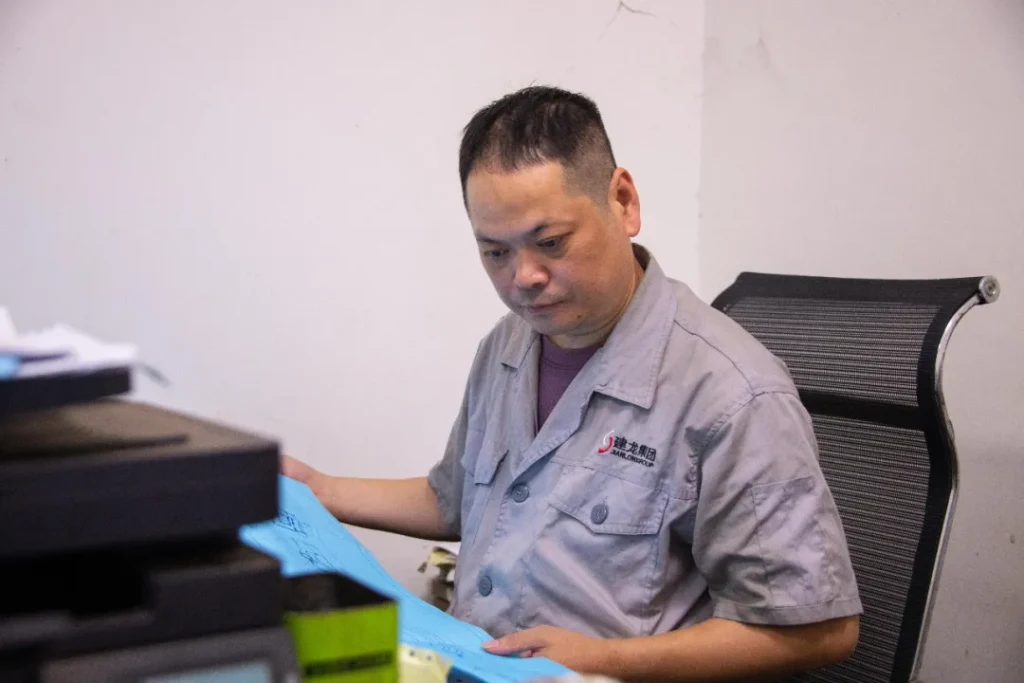
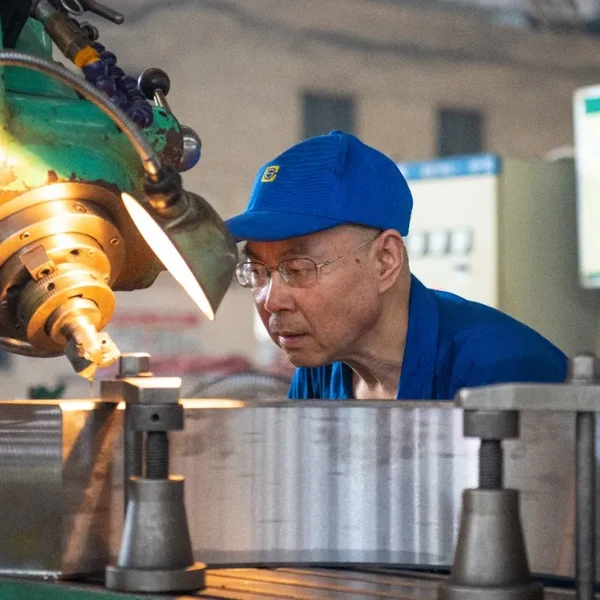
Pins, shafts, fasteners and other pressure-bearing boiler parts are sent for outsourced heat treatment. Previously, we stamped material grades right after cutting and forming. If raw materials were mismatched or the wrong die selected, incorrect markings would be fixed on metal. Defects could only be found on-site, triggering breakdowns and expensive rework.
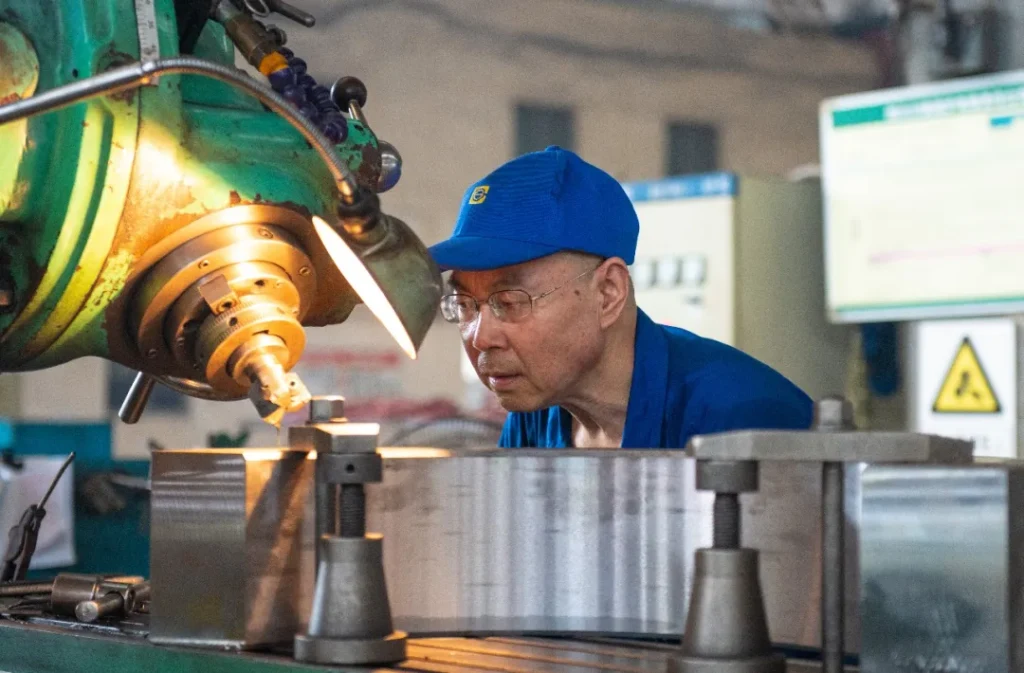
Our machining team has redesigned the procedure. Every workpiece gets 100% elemental check via portable spectrometer before stamping. Marking and shipment paperwork are released only after material composition is confirmed against drawings.
Our machining team has redesigned the procedure. Every workpiece gets 100% elemental check via portable spectrometer before stamping. Marking and shipment paperwork are released only after material composition is confirmed against drawings.
Verify first, stamp second — this forms a rigid closed-loop control. As Section Leader Xie Sifeng and technical supervisors emphasize: material mixing risks must be eliminated before components leave the factory.
1/3 Batch Stop Check: Treat Downstream Process as Customer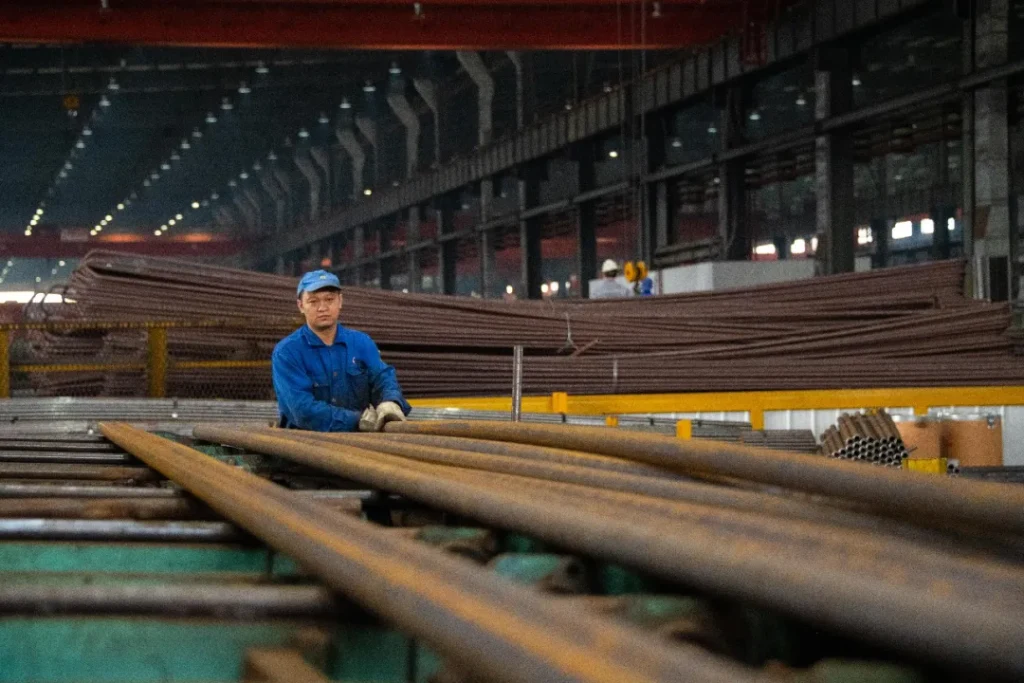
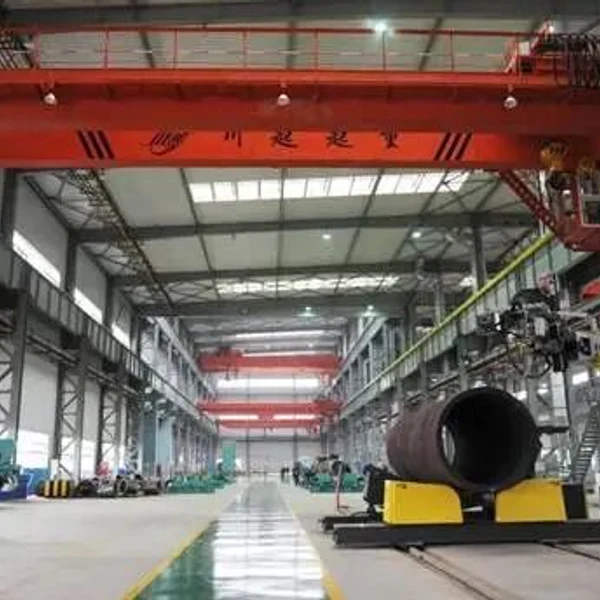
The Pipe Branch’s cutting workshop has discarded the old idea that minor cutting errors can be fixed later. Its new shop-floor rule: every process serves the next one as its customer.
Two safeguards are applied. Batches are measured when one-third complete, halting the machine to catch tool drift before parts become scrap. Pipe-end burrs are no longer considered minor cosmetic issues; all cut ends must be ground clean prior to inspection.
Left untreated, burrs add work for fitters and risk weld porosity or incomplete fusion. Treating downstream teams as customers means we do not just cut pipe to length — we guarantee better assembly for subsequent processes. This simple measurement practice removes blame culture and builds full-chain collaboration.
IQI at Quarter Position: Two-Person Checks to Avoid Retakes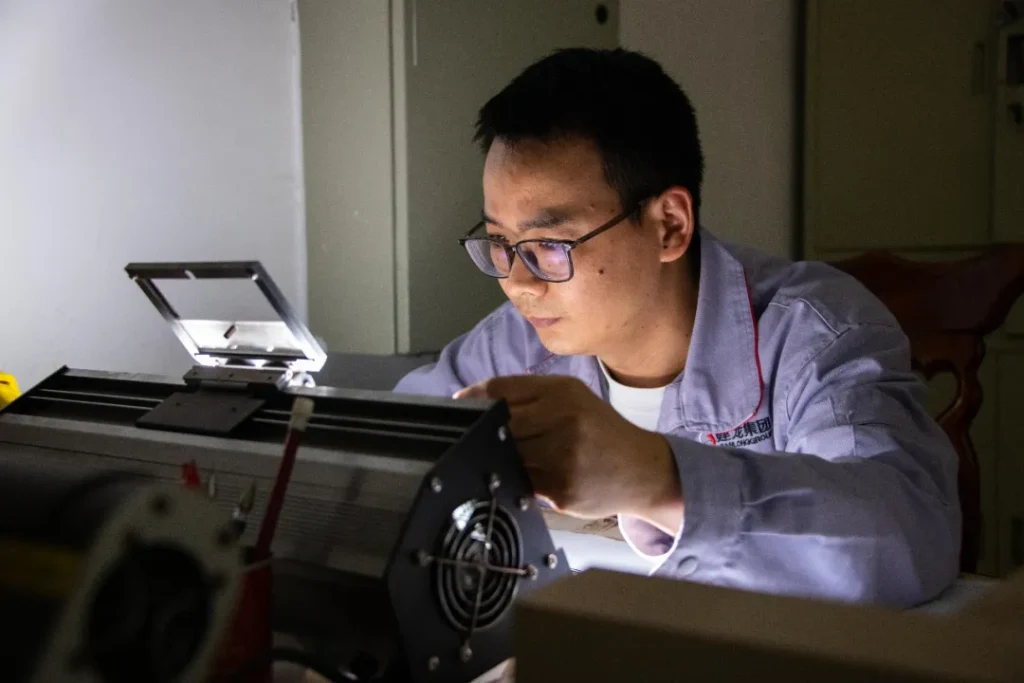
Radiographic inspection is the last quality gate for pressure equipment welds. Improper marker placement, loose film or misaligned seams distort radiographs. Re-shoots are costly and delay delivery schedules.
The header radiographic team targets one exposure, one pass. They follow strict setup rules and implement two-person cross-checks for every shot. One operator verifies focal distance and beam angle; the other checks film clearance and lead markers. Exposure starts only with dual approval.
This double-checking practice ensures batches pass radiographic inspection on the first attempt.
“Spectrometer before stamp”, one-third batch inspection, two-person cross-checks. These simple measures place quality standards ahead of every operation.
Quality is not added by final inspection, but built process by process. We leave nothing to chance, avoid hidden defects and refrain from shifting costs downstream.
This is Jianlong SCBC frontline’s interpretation of “Right First Time”, the solid guarantee we offer customers across the globe.