Добро пожаловать на наш сайт!
In large integrated refining and petrochemical complexes, steam demand fluctuates with varying operation modes, while steam supply must remain stable year-round. The reliability of the power station determines the continuous running cycle of key process units, making it the top priority when selecting power equipment for refining projects.
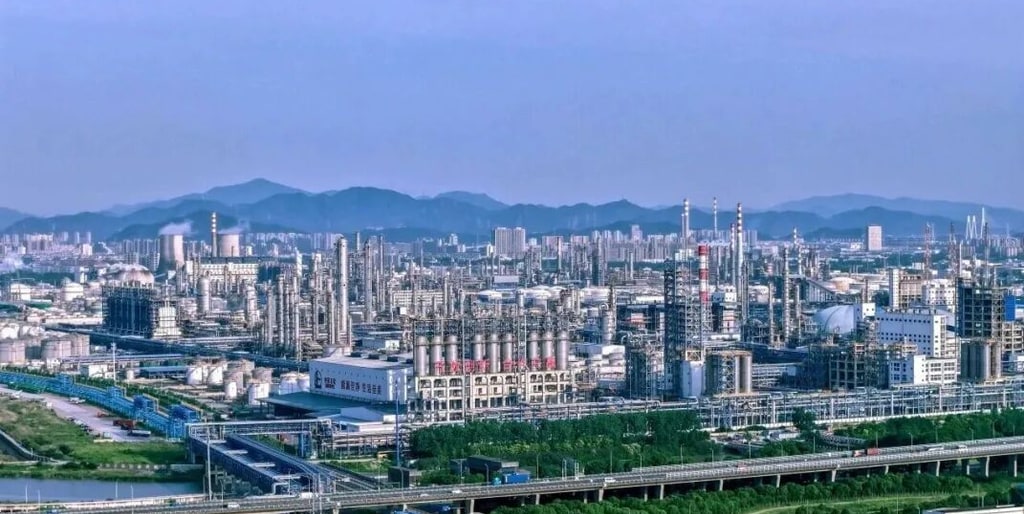
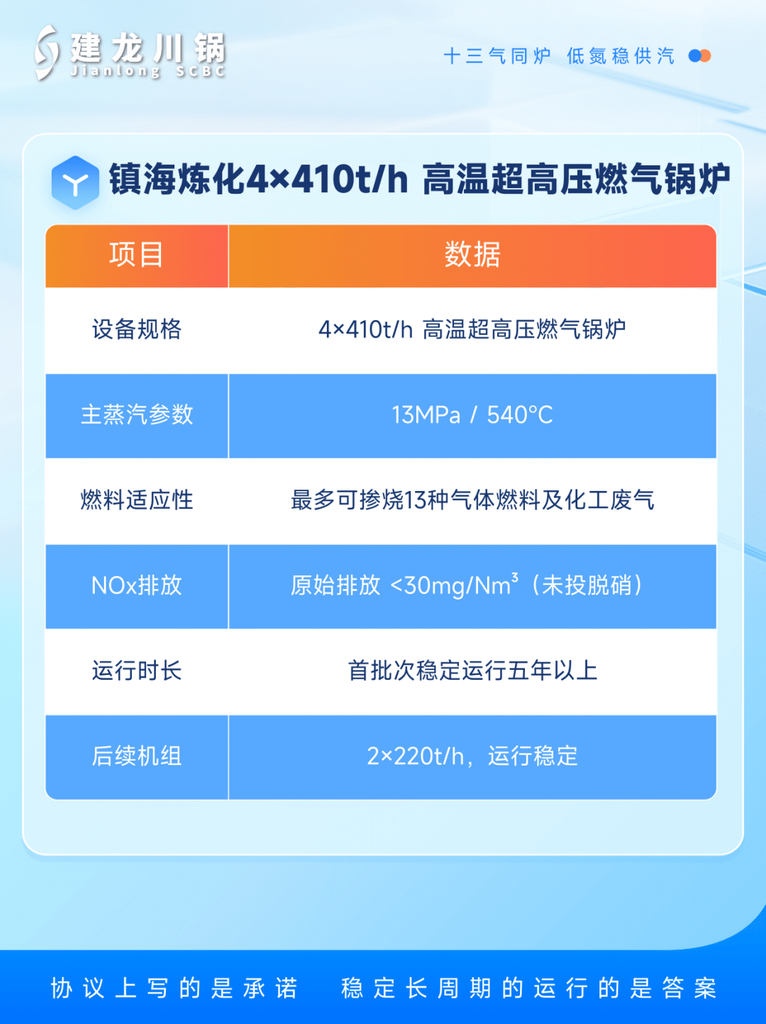
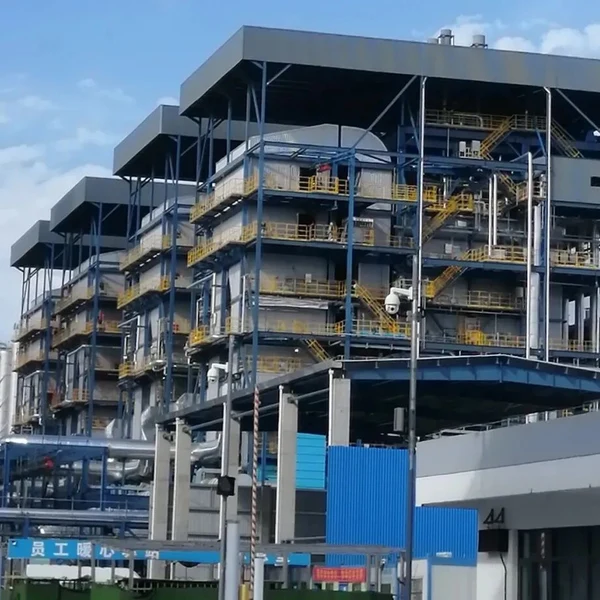
Zhenhai Refining & Chemical, one of China’s leading integrated refining and chemical operators, is building a greener, smarter petrochemical base. Four 410 t/h high-temperature ultra-high-pressure gas-fired boilers, independently designed and manufactured by Jianlong SCBC, have run continuously on-site for over five years. All operational parameters outperform design values, delivering reliable steam supply for core process units.
01 Thirteen Fuels in One Furnace: Maximizing Recovery of Byproduct Off-Gas
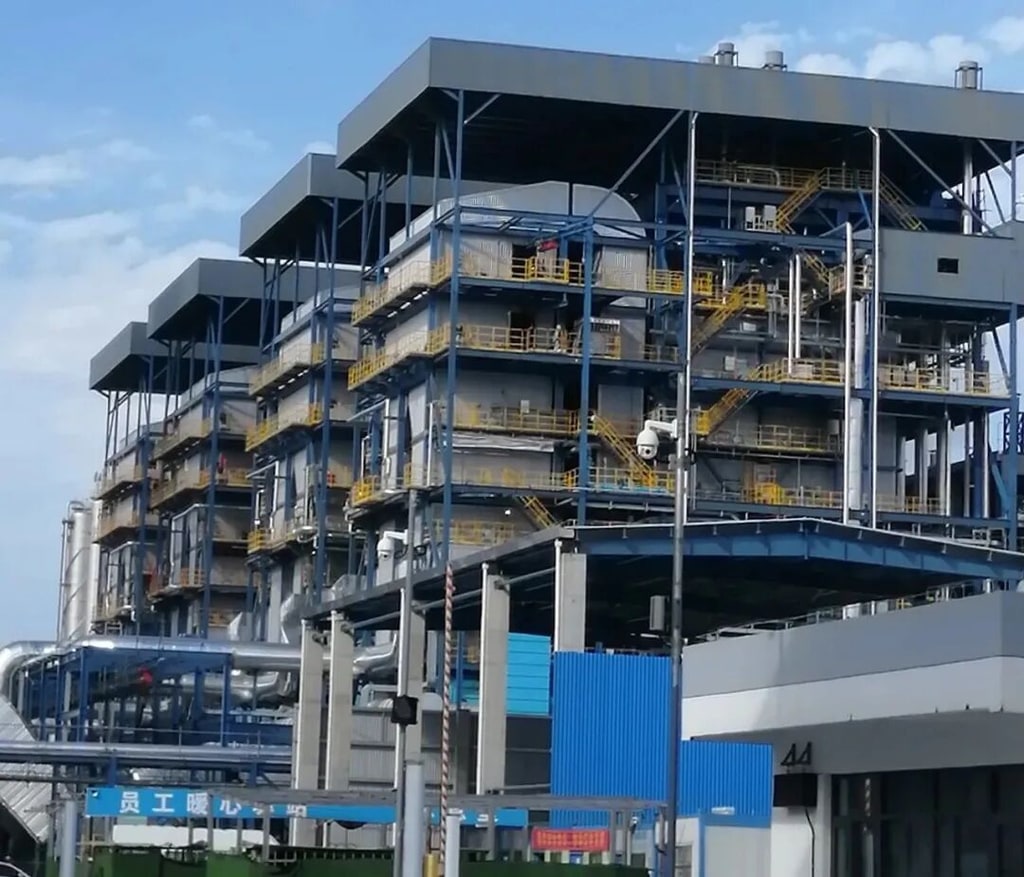
Refinery off-gas is a challenging fuel. It has multiple streams with variable composition, fluctuating calorific value and corrosive components. Most conventional gas boilers only support a narrow fuel range, so excess off-gas is flared, wasting energy and creating extra carbon emissions.
This boiler co-fires up to 13 gaseous fuels and various chemical waste gases simultaneously, covering nearly all refinery byproduct gas sources. Combustibles are fully utilised in the furnace to replace purchased fuel and slash flaring losses, reducing operating costs and the carbon footprint.
Co-firing such diverse gas streams sets high requirements for the combustion system: individual gases have widely different heating values, and mixing ratios change with upstream conditions. High-turndown burners and flexible air distribution stabilise the flame core and furnace heat release under variable gas supply. Rated 410 t/h, 13 MPa, 540 °C, this high-temperature ultra-high-pressure boiler satisfies the continuous high-load steam demand of large integrated refineries.
02 Low NOx at the Source: Raw Emissions Consistently Below 30 mg/Nm³
Post-treatment NOₓ control adds capital and continuous O&M costs. A superior approach is to suppress NOₓ formation within the flame.
This boiler adopts integrated low‑NOₓ combustion technologies, with optimised burner configuration and air staging tailored for mixed fuels. Without denitrification facilities, raw NOₓ emissions remain steadily under 30 mg/Nm³. It delivers fast load response to match fluctuating steam demand.
Refinery off‑gas flue gas has a high dew point, which risks low‑temperature corrosion on downstream heating surfaces. Specially selected high‑temperature materials and corrosion‑resistant back‑pass design ensure long‑term safe operation.
03 Five Years of Proven Performance – and a Repeat Order
Backed by stable operation of the initial four 410 t/h boilers, Jianlong SCBC secured a follow-up order for 2 × 220 t/h high-temperature ultra-high-pressure gas-fired boilers for Zhenhai. These new units were commissioned smoothly with all parameters meeting design requirements.
For power equipment, proposals look good on paper, but real value is proven in operation. A proposal can be refined, yet solid operating track records are earned only through years of field running. A repeat order stands as the most powerful recognition of reliability.
Refinery power equipment must accommodate frequent production fluctuations over its long service life. Its capability for 13-fuel co-firing and low raw NOₓ output is not just a one-off test achievement. Five years of continuous stable operation demonstrates this solution’s adaptability to the rigorous conditions of integrated refining sites.